Gabriele Basilico Roma
Palazzo Altemps, Rome, 2024
Curators: Matteo Balduzzi, Giovanna Calvenzi
Surface: 355sm
Museo Fotografia Contemporanea, Director: Gabriella Guerci
Archivio Gabriele Basilico: Giovanna Calvenzi, Gianni Nigro, Beba Gristina, Andrea Elia Zanini
Responsible of Palazzo Altemps: Chiara Giobbe
Palazzo Altemps Coordinator: Giulia Cirenei
Palazzo Altemps Technical Department: Lucio Bove
Setup and Graphics Production: Articolarte
Lighting: SAET, Rome
Graphic Design: Tomo Tomo
Photos: Ettore Maragoni
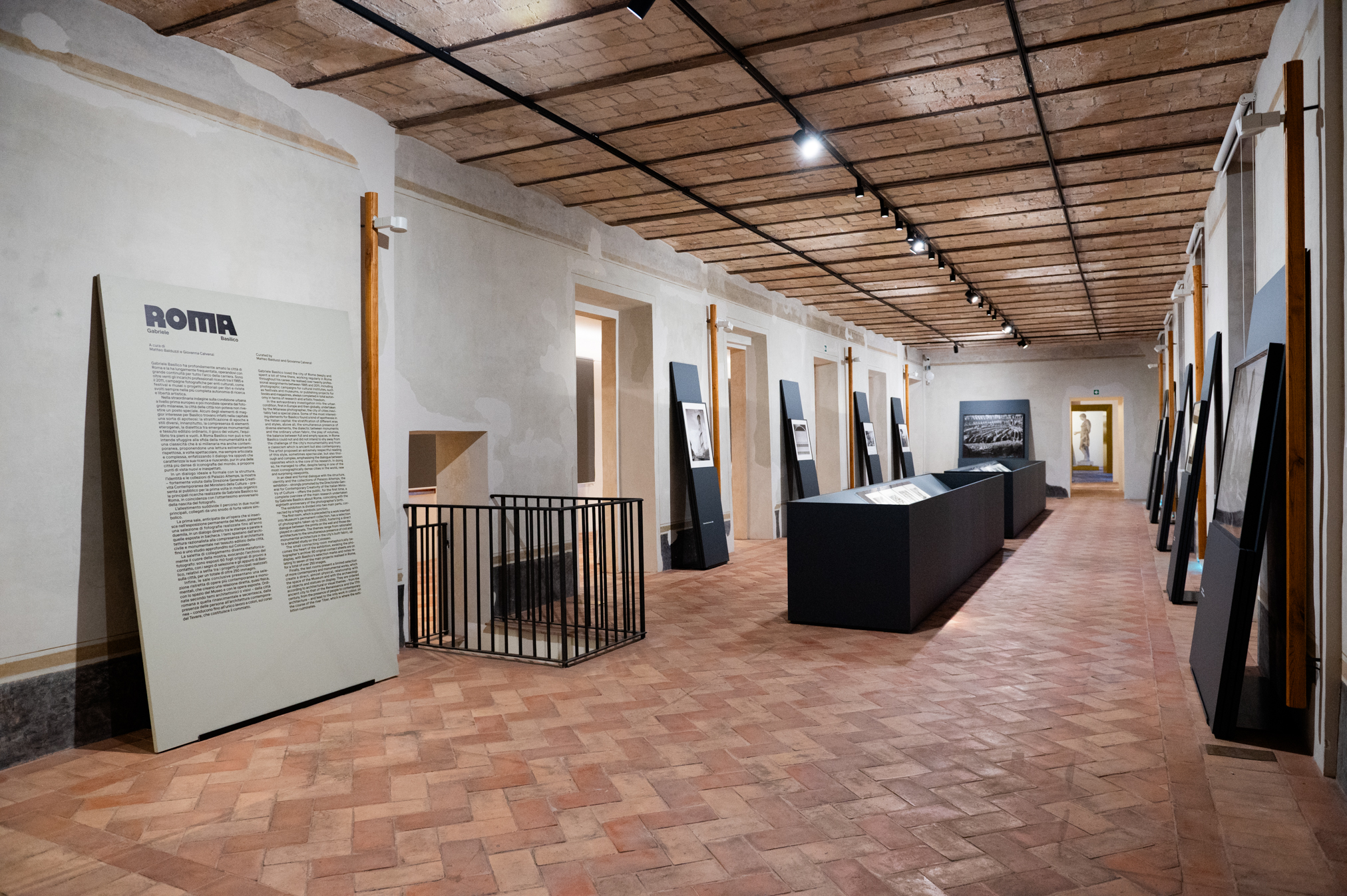

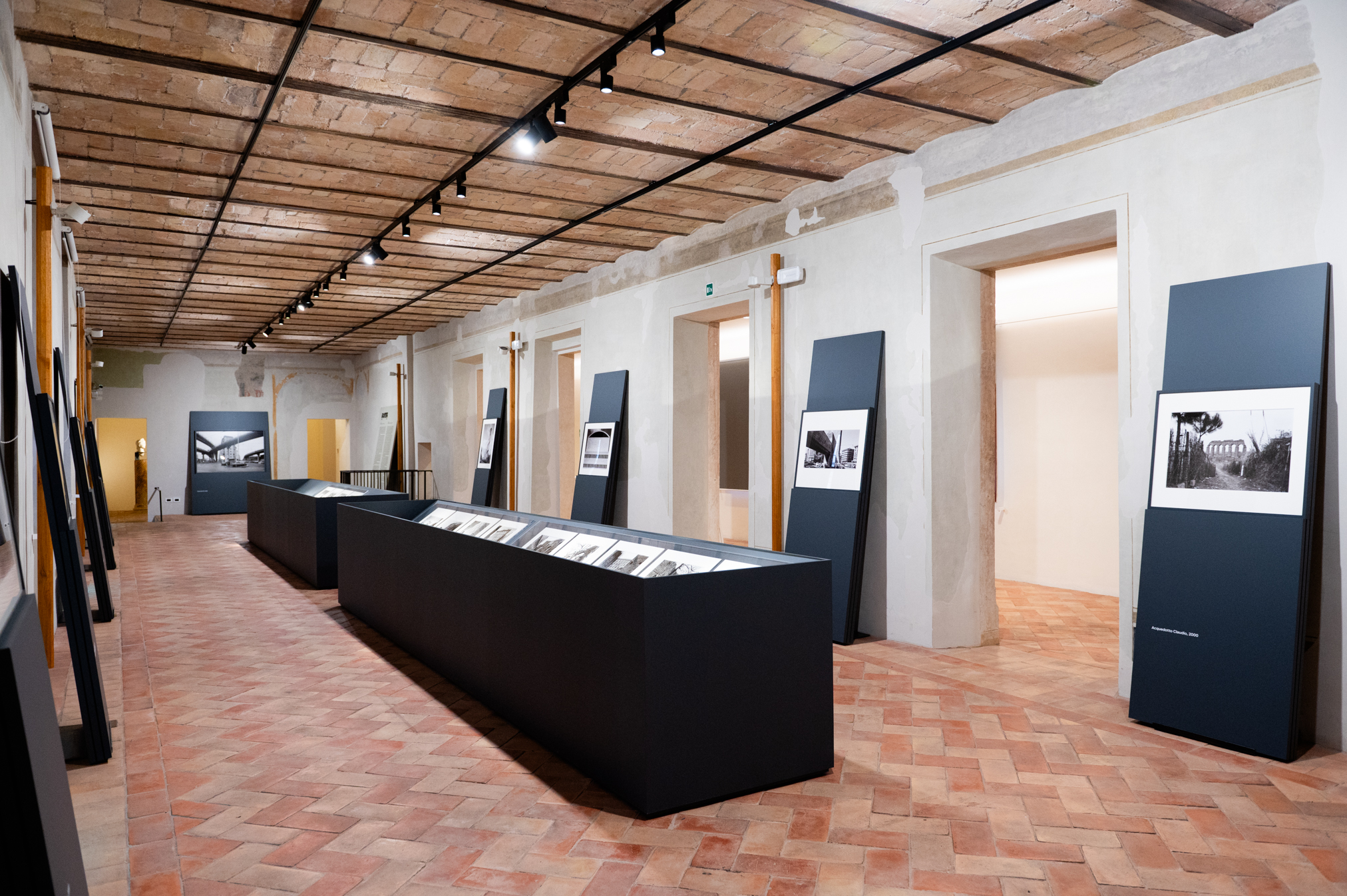
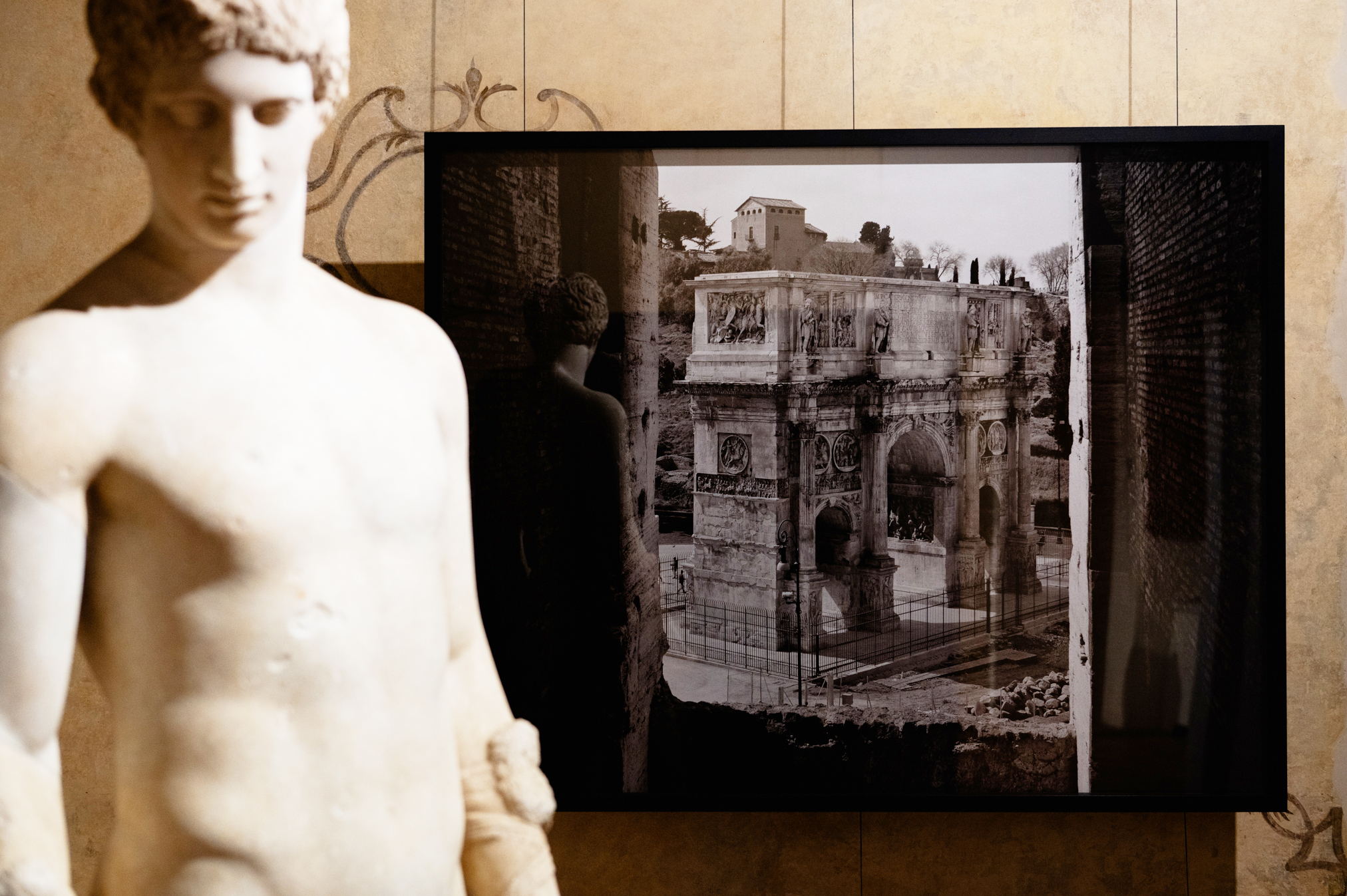
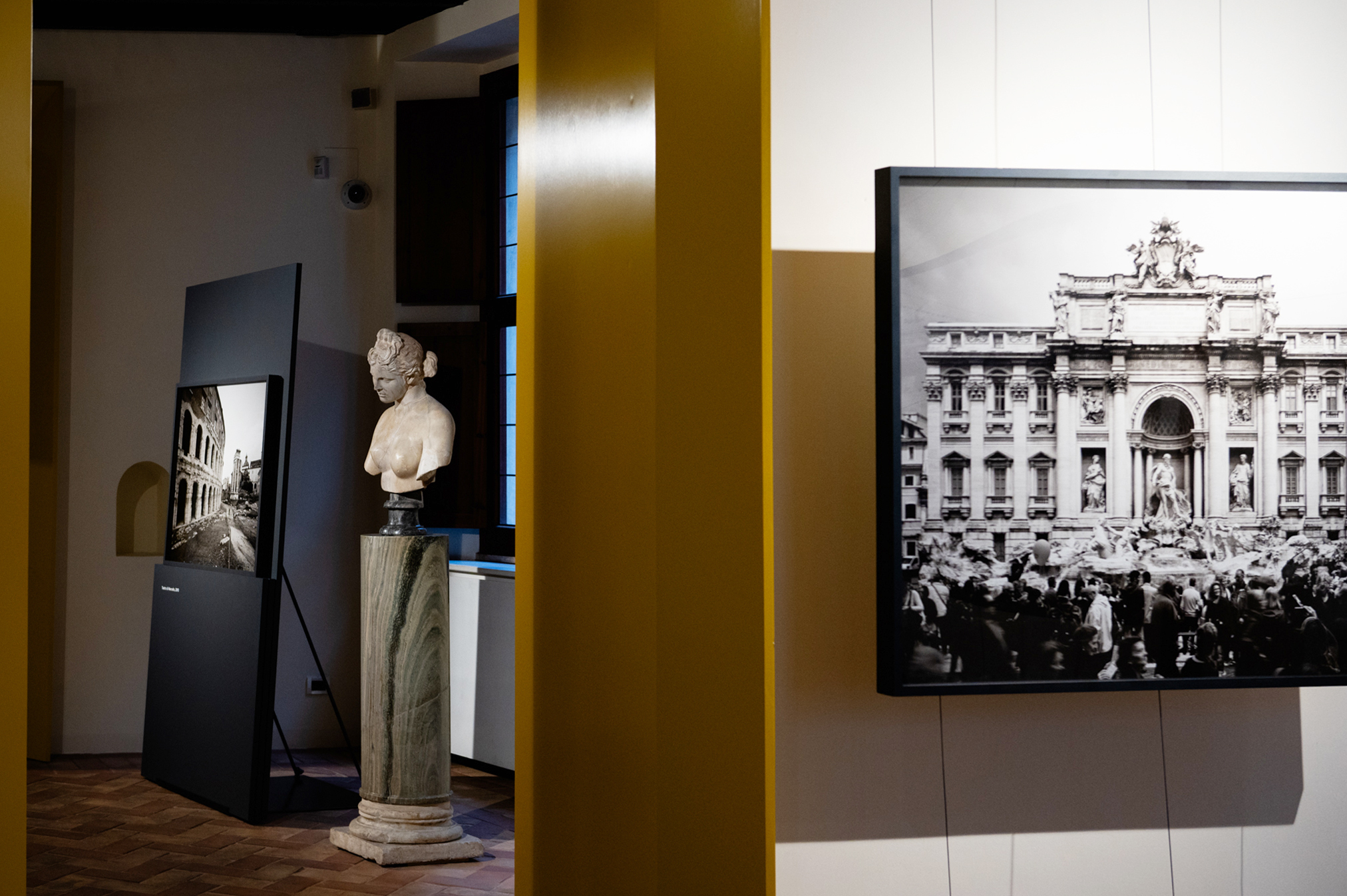
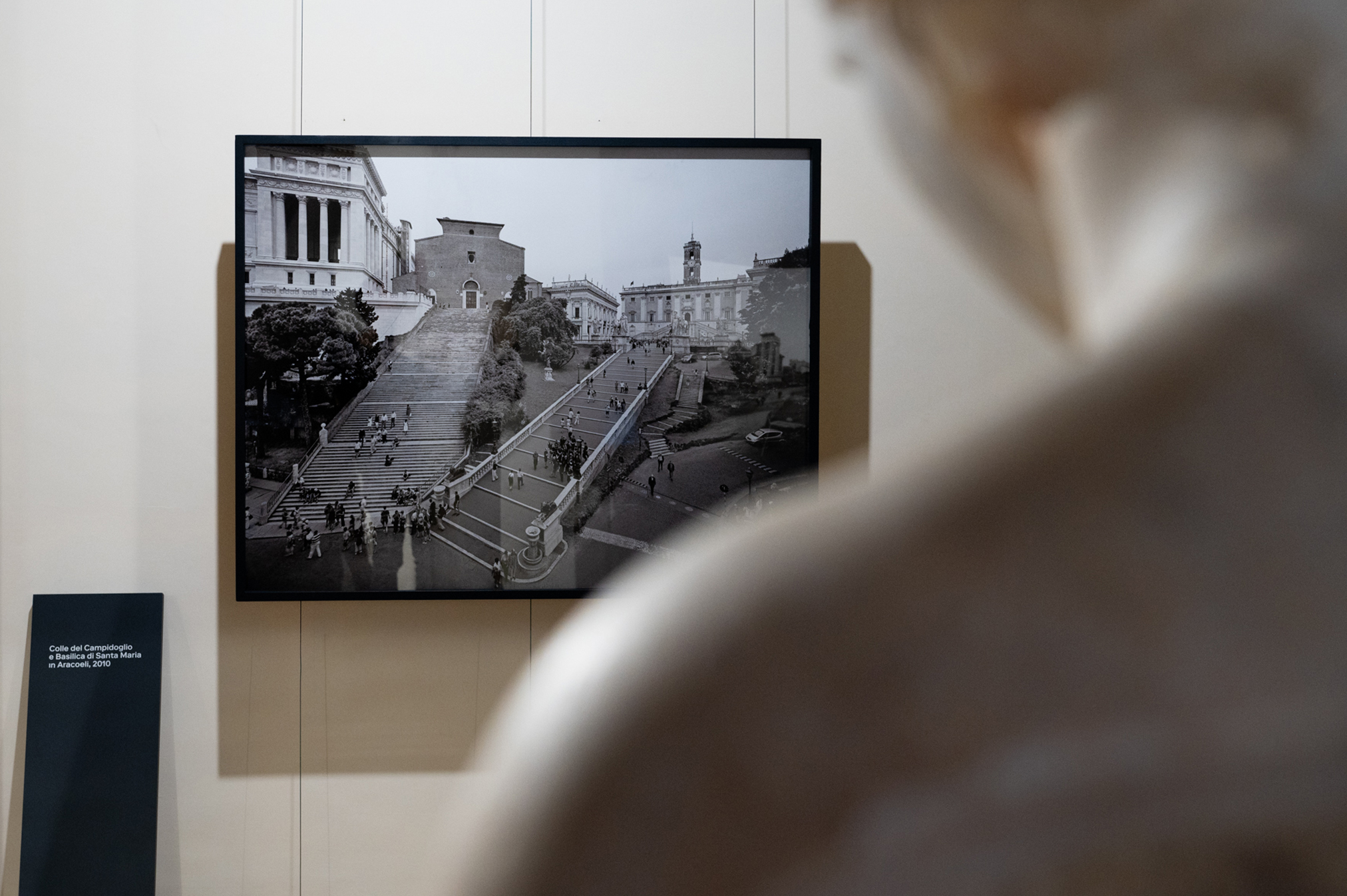
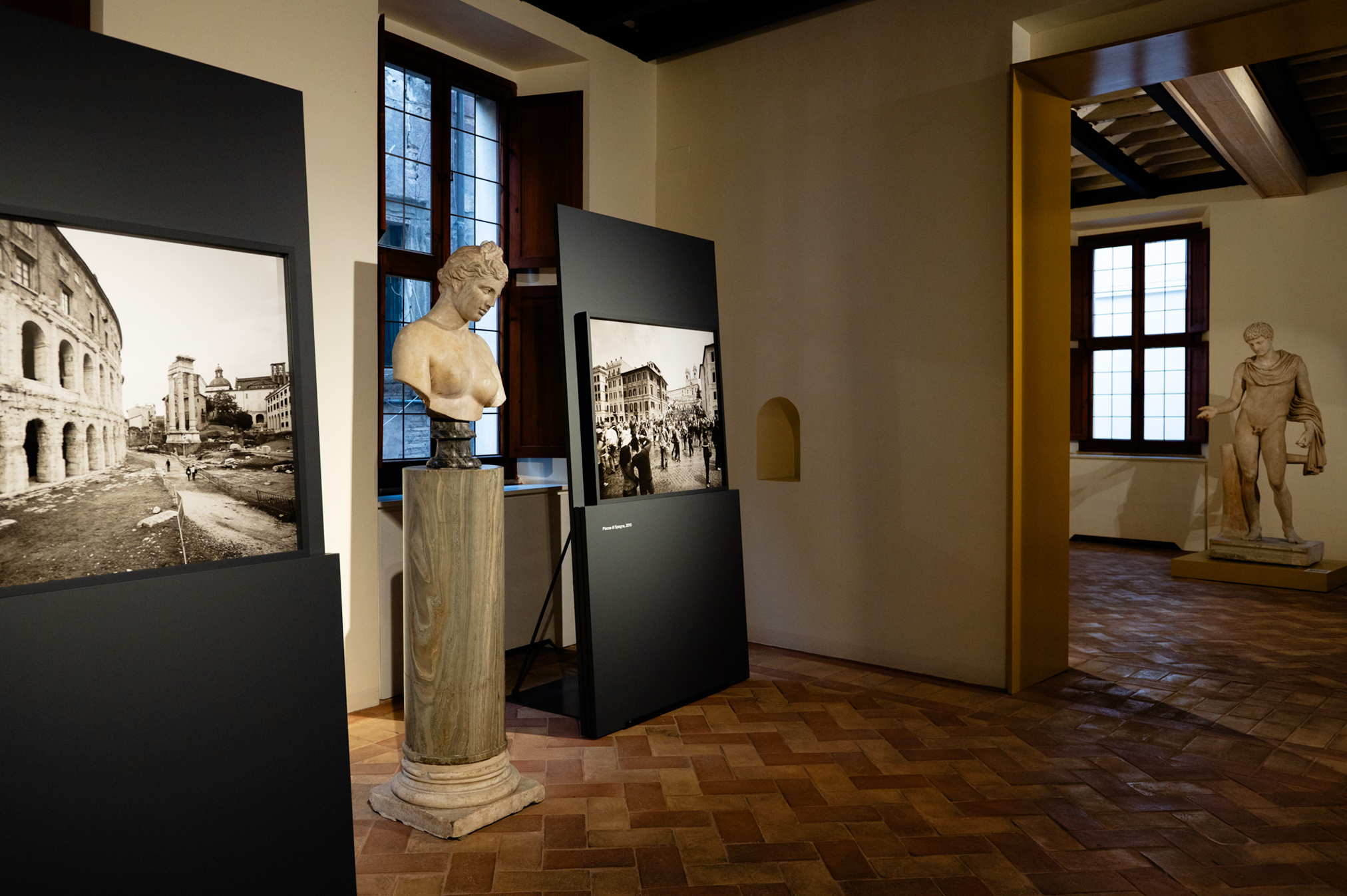
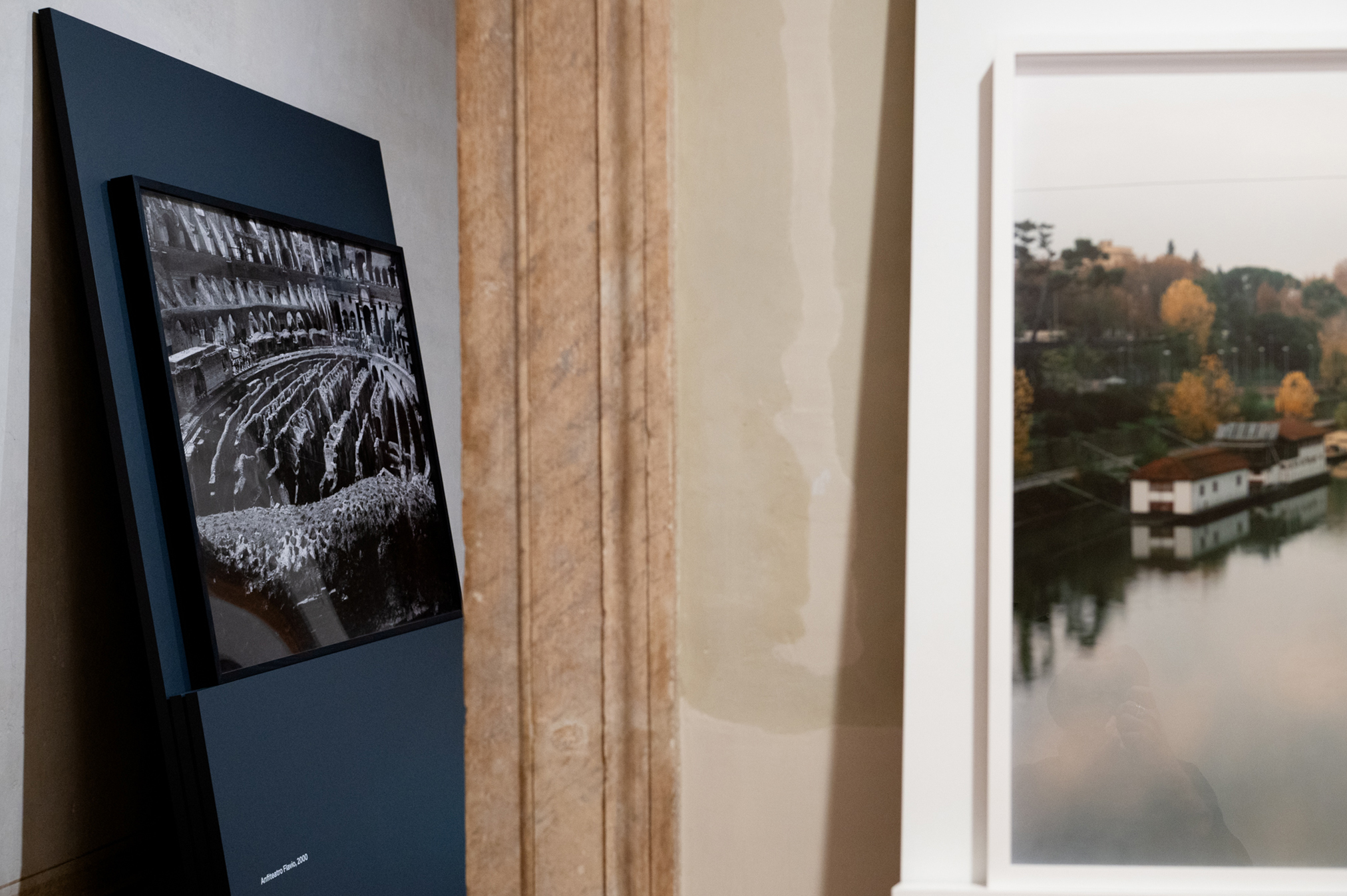
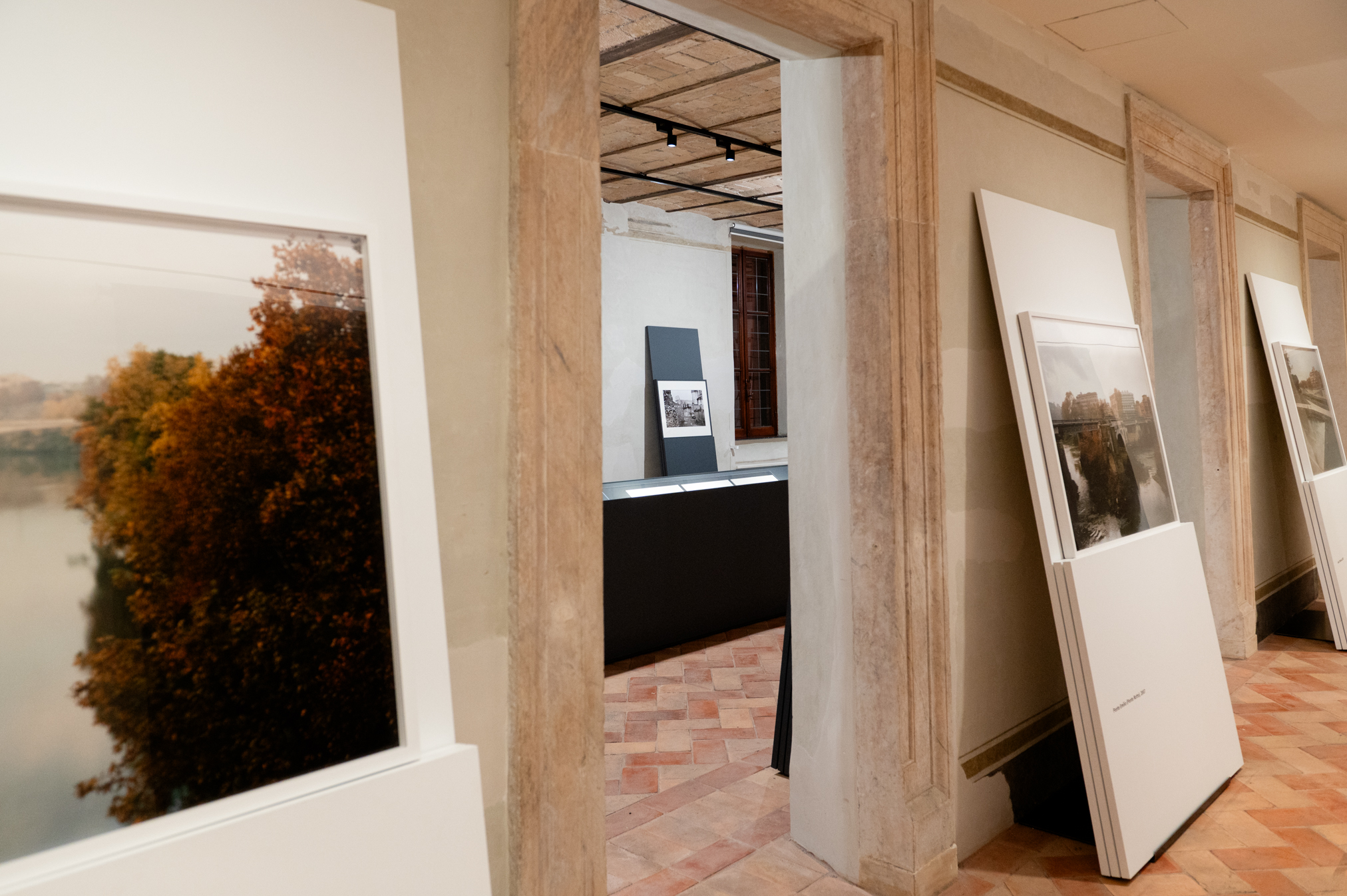

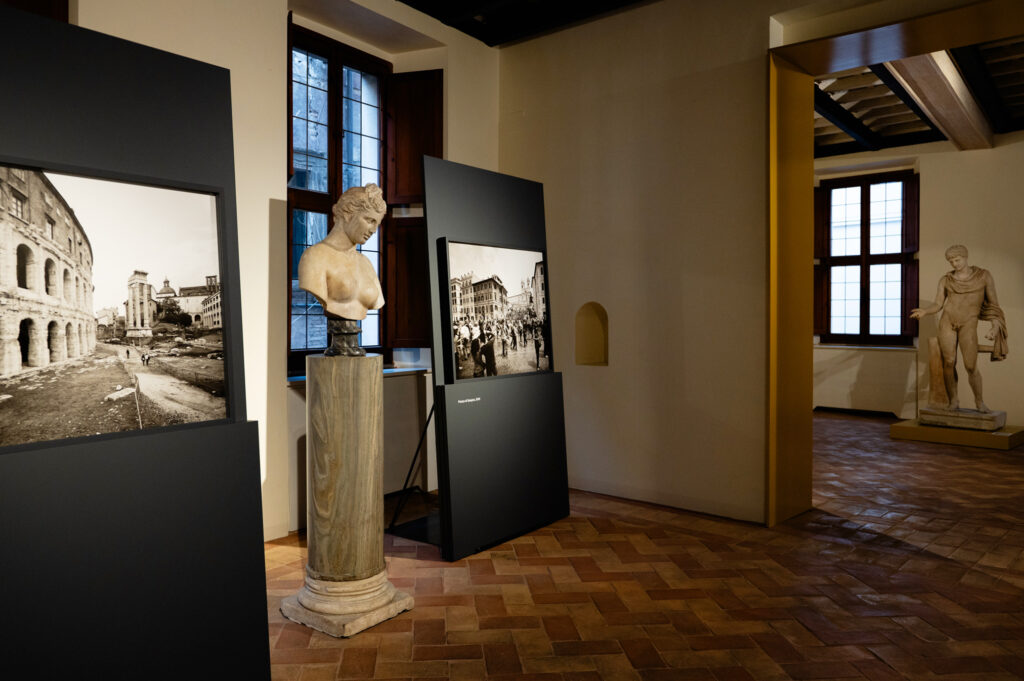
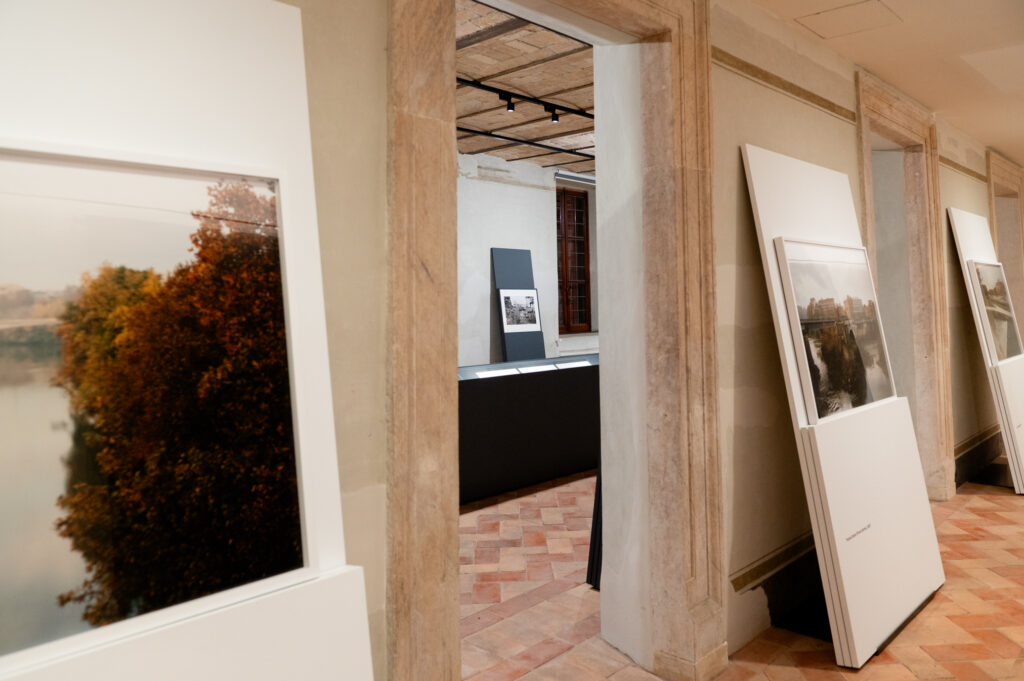
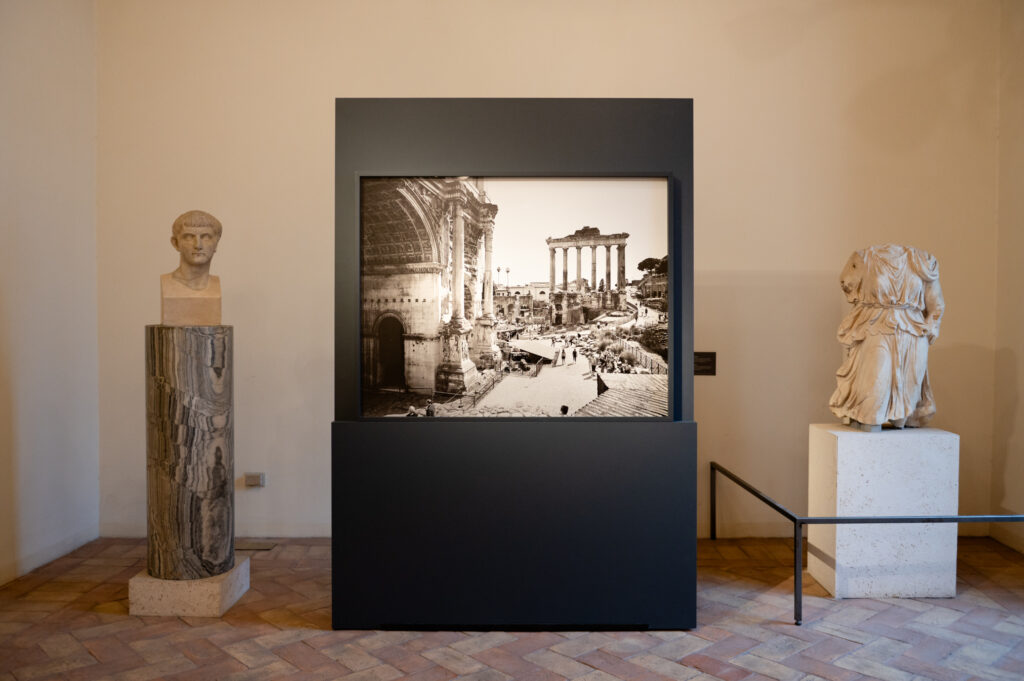
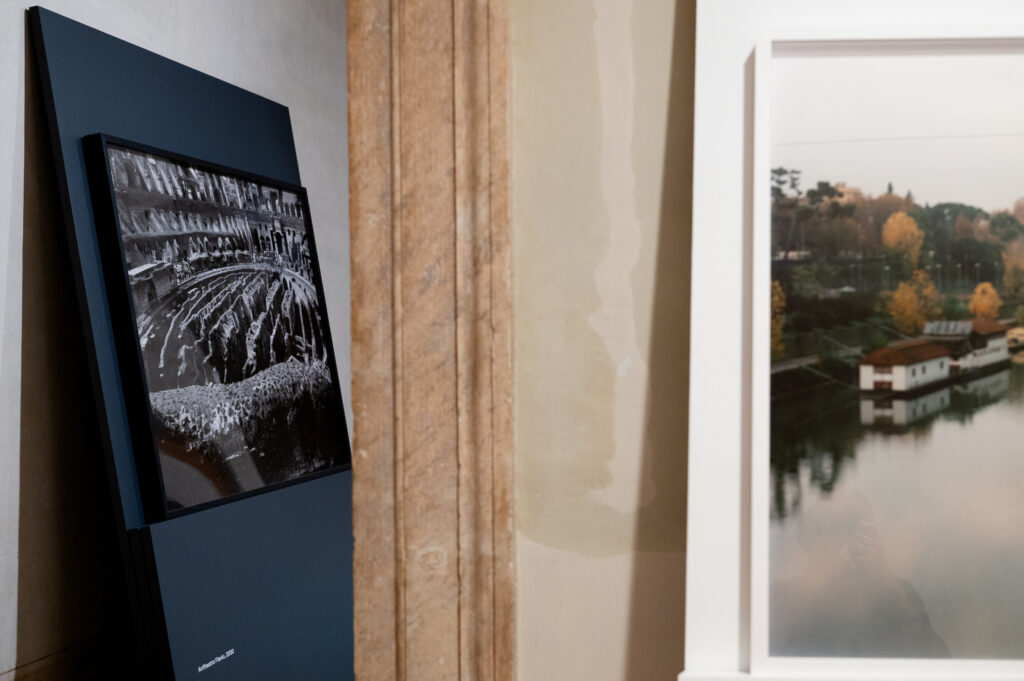
The exhibition, hosted inside Palazzo Altemps, unfolds through a sequence of themes and episodes, ranging from the introduction—Gabriele Basilico’s deep relationship with Rome—to his early works from the 1980s, from the display of contact sheets related to his research on the capital, to his more recent photographs.
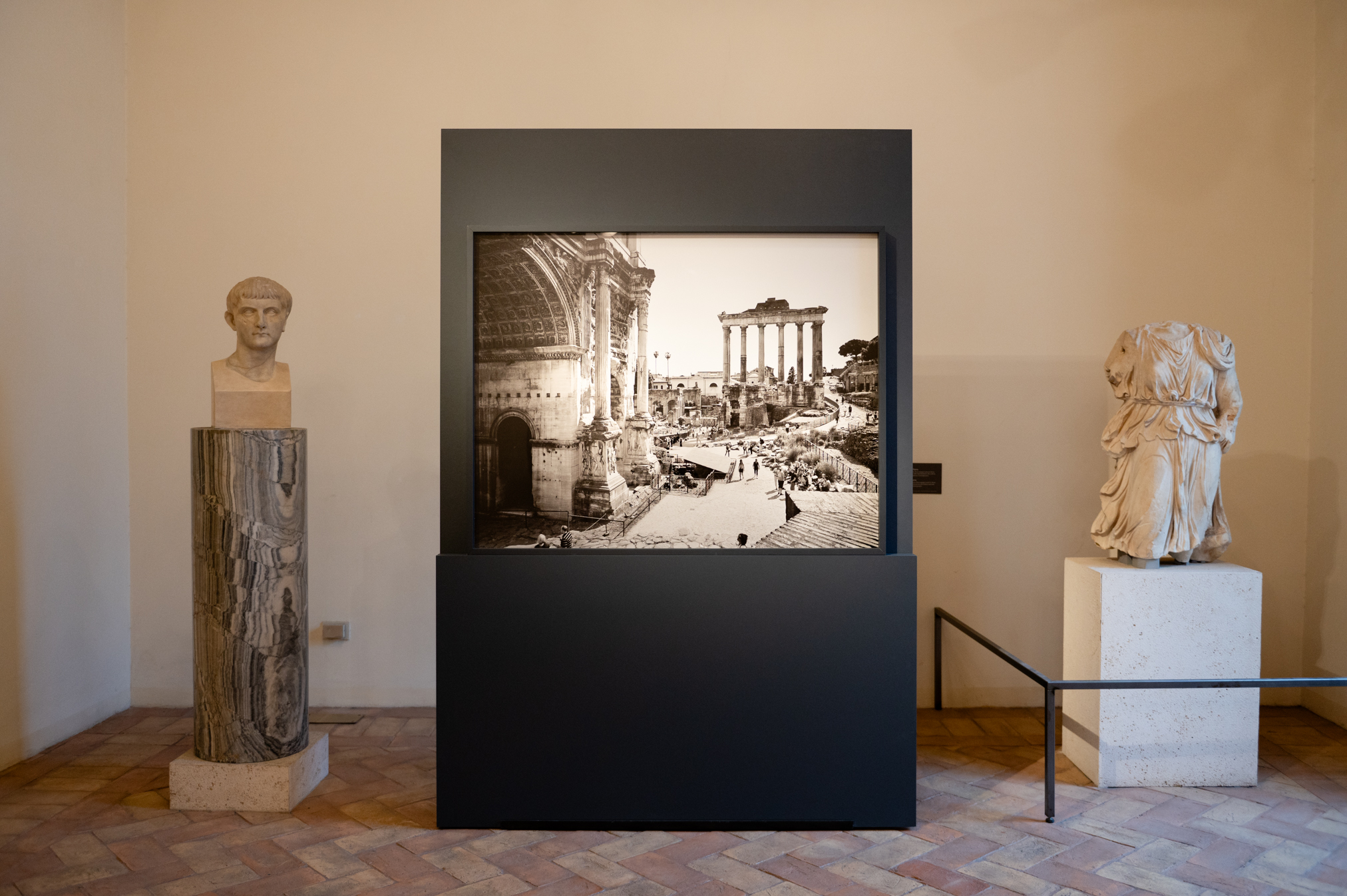
This sequence is set within spaces that—except for the main exhibition hall—are currently arranged to showcase part of the Palazzo Altemps collection. The idea is to establish a dialogue between the permanent artifacts and the new exhibition, a dialogue based on comparison and integration, where photographs and sculptures synchronize within spaces that the exhibition renders temporary yet defined. In these settings, the new elements—the photographs and their supports—are placed with care in order to create alignments, juxtapositions, symmetries, contrasts, and cross-references.
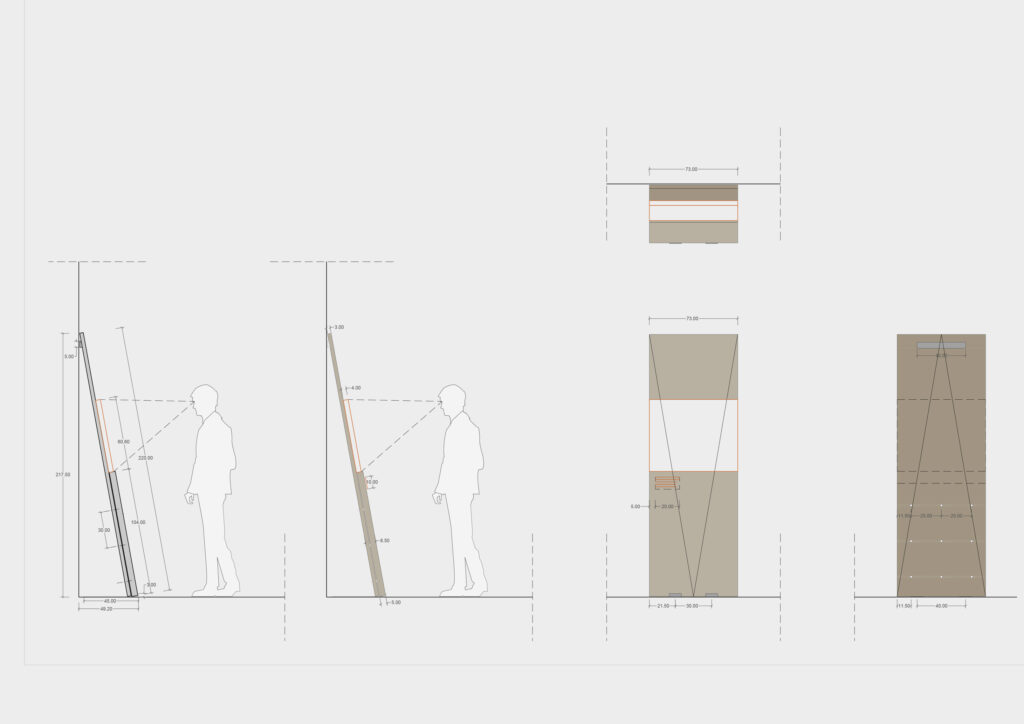
The exhibition design gives tangible form to this sequence of episodes, making use of the characteristics of the available spaces, their rhythm, and the presence and orientation of the artifacts. The primary aim is to create a visual and material continuity within a path that traverses heterogeneous spaces and contents. For this reason, the components of the display are conceived with a simple, recurring vocabulary—even when designed for diametrically opposed functions: a podium or a wall mount.
The constraints—installing the exhibition within a protected historic building—are fully integrated into the project, becoming an organic part of it. Each element is conceived to respect the context while at the same time treated as an independent object, in which the “limitations” dissolve into autonomous forms.
La mostra, ospitata all’interno di Palazzo Altemps, si sviluppa attraverso una sequenza di temi ed episodi, che spaziano dall’introduzione — il profondo rapporto di Gabriele Basilico con Roma — alle sue opere degli esordi degli anni Ottanta, dalla presentazione dei provini originali legati alla sua ricerca sulla capitale fino alle fotografie più recenti.
Questa sequenza si inserisce in spazi che — ad eccezione della sala espositiva principale — sono attualmente allestiti per accogliere una parte della collezione di Palazzo Altemps. L’idea è quella di instaurare un dialogo tra i manufatti permanenti e la nuova esposizione, un dialogo fondato sul confronto e sull’integrazione, in cui fotografie e sculture si sincronizzano all’interno di ambienti che la mostra rende temporanei ma definiti. In questi contesti, i nuovi elementi — le fotografie e i loro supporti — sono collocati con attenzione al fine di creare allineamenti, accostamenti, simmetrie, contrasti e rimandi incrociati.
Il progetto espositivo dà forma concreta a questa sequenza di episodi, facendo leva sulle caratteristiche degli spazi disponibili, sul loro ritmo e sulla presenza e l’orientamento dei manufatti. L’obiettivo principale è creare una continuità visiva e materica lungo un percorso che attraversa spazi e contenuti eterogenei. Per questo motivo, i componenti dell’allestimento sono concepiti attraverso un vocabolario semplice e ricorrente, anche quando sono progettati per funzioni diametralmente opposte: un basamento o un supporto a parete.
I vincoli — l’inserimento della mostra all’interno di un edificio storico tutelato — sono pienamente integrati nel progetto, diventandone parte organica. Ogni elemento è concepito nel rispetto del contesto e, al contempo, trattato come un oggetto indipendente, nel quale le “limitazioni” si dissolvono in forme autonome.