
Health-care Center
Forlì, Italy, 2013
Client: Re-Care Onlus




Design Concept for Children
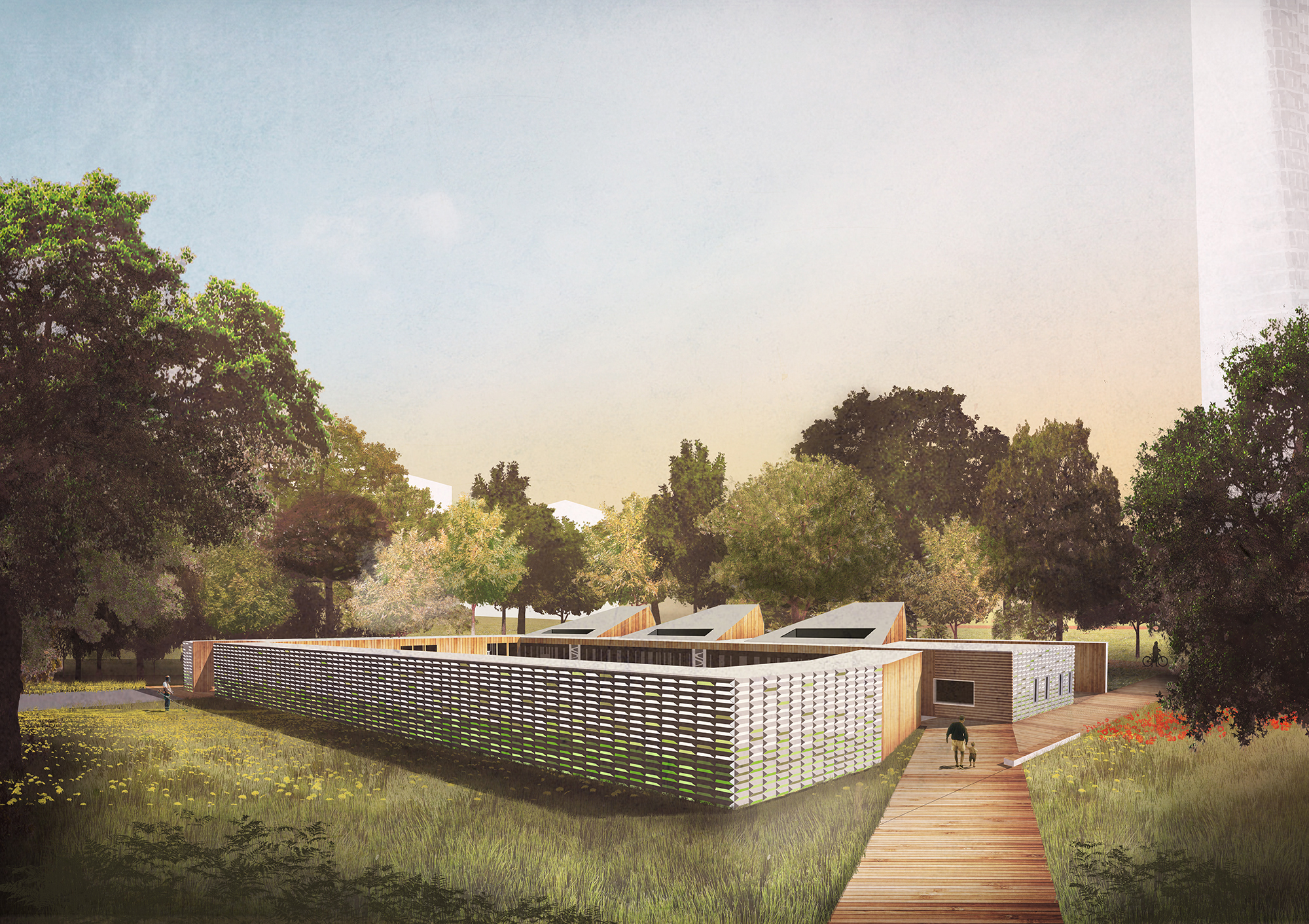
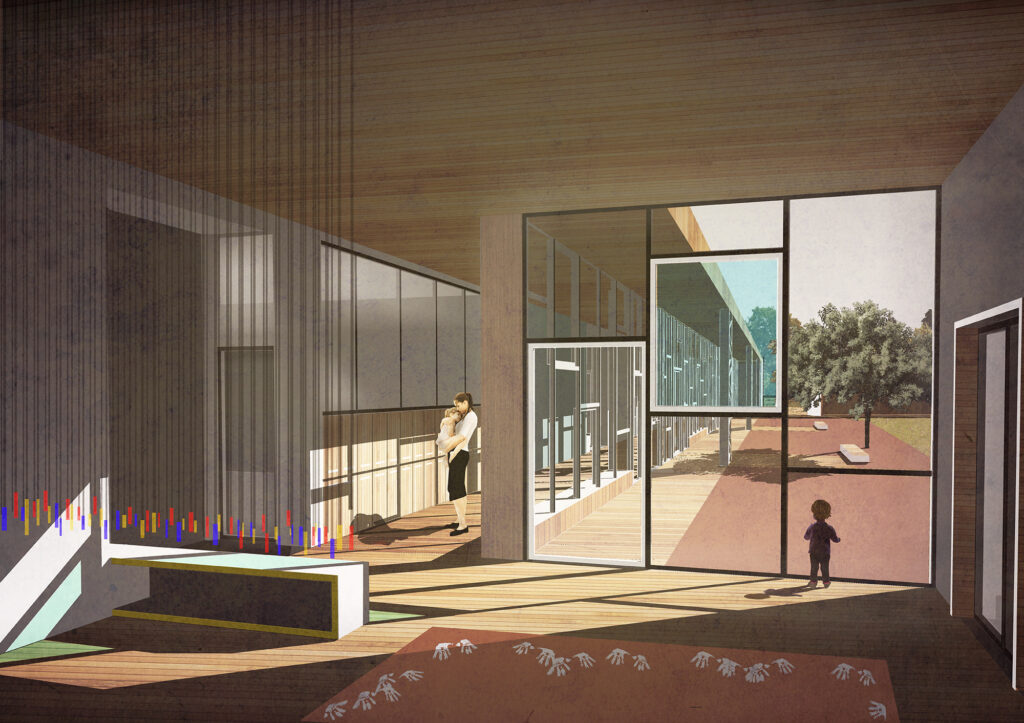
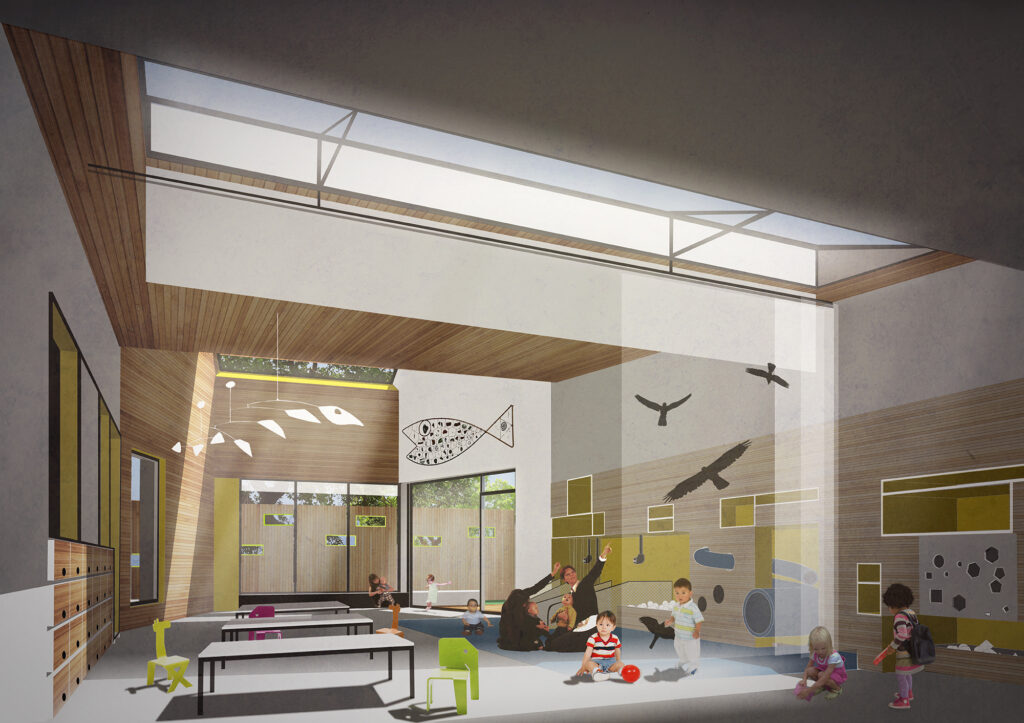
The central idea of the project is to create a welcoming and comfortable environment specifically designed for children. Every aspect of the project—from the overall volume and outer skin to the scale of the interiors, the furnishings, and even the smallest construction details—has been conceived with the dimensions, perceptions, and needs of young users in mind. The intention is not only to provide a functional space, but also to foster an atmosphere that feels accessible, playful, and stimulating for its youngest occupants.
Choice of Colors and Exterior Finishes
The exterior of the building is clad in corrugated sheet metal, painted in bright and lively colors. This choice is intentional: the palette is designed so that children, with their heightened sensitivity and unique way of perceiving the world, experience the architecture as a joyful and colorful place. To adult eyes, the tones may appear subtle or restrained, but for children, the building reads as an environment full of light and vitality.
The Courtyard as an Educational and Playful Space
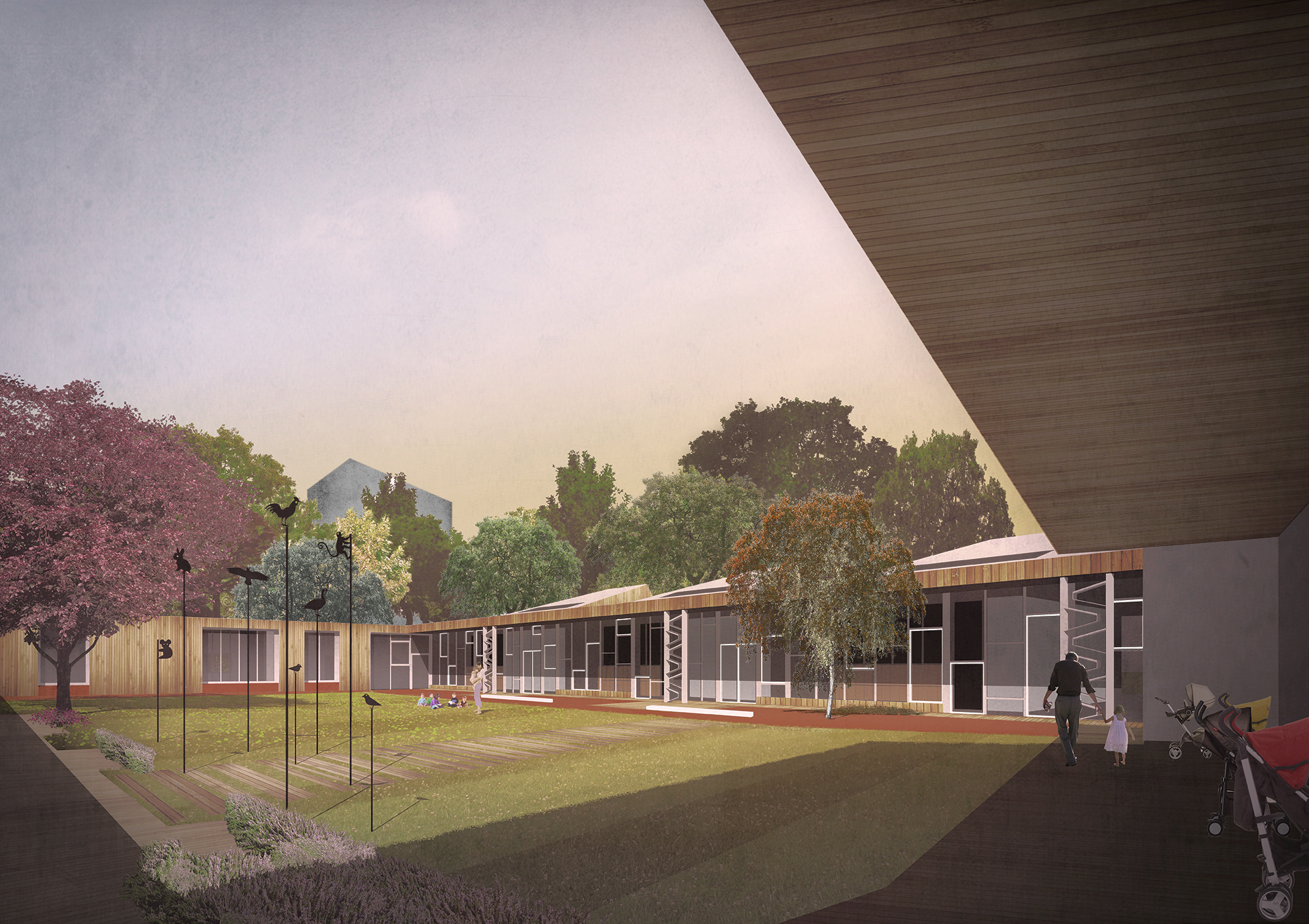
At the heart of the project lies a courtyard, conceived both as a gathering place and as an extension of the learning environment. This open space is equipped with sensory and visual installations, playful furnishings, and carefully designed areas that invite exploration. The goal is to stimulate imagination and encourage games that develop motor, social, and cognitive skills. The courtyard becomes not just a physical setting, but a catalyst for creativity and discovery.
Architecture as an Educational Tool
Ultimately, the project aims to go beyond the traditional concept of a child-focused facility. It proposes a holistic environment where architecture itself becomes an educational tool: a space that adapts to children’s scale, speaks their visual language, and nurtures their sense of wonder while supporting their growth and play.
Concezione del progetto per i bambini
L’idea centrale del progetto è creare un ambiente accogliente e confortevole, pensato appositamente per i bambini. Ogni aspetto del progetto — dal volume complessivo e dalla pelle esterna alla scala degli interni, dagli arredi fino ai più piccoli dettagli costruttivi — è stato concepito considerando le dimensioni, le percezioni e le esigenze dei più piccoli. L’intento non è solo fornire uno spazio funzionale, ma anche favorire un’atmosfera accessibile, giocosa e stimolante per i suoi giovani utenti.
Scelta dei colori e rivestimenti esterni
L’esterno dell’edificio è rivestito in lamiera grecata, verniciata con colori vivaci e brillanti. Questa scelta non è casuale: la palette è studiata affinché i bambini, con la loro sensibilità accentuata e il loro modo unico di percepire il mondo, vivano l’architettura come un luogo gioioso e colorato. All’occhio adulto le tonalità possono sembrare discrete o contenute, ma per i bambini l’edificio appare come un ambiente carico di luce e vitalità.
La corte come spazio educativo e ludico
Al centro del progetto si trova una corte, concepita sia come luogo di aggregazione sia come estensione dell’ambiente di apprendimento. Questo spazio aperto è dotato di installazioni sensoriali e visive, arredi ludici e aree progettate con cura che invitano all’esplorazione. L’obiettivo è stimolare l’immaginazione e incoraggiare giochi che sviluppino abilità motorie, sociali e cognitive. La corte diventa così non solo un contesto fisico, ma un catalizzatore di creatività e scoperta.
Architettura come strumento educativo
In definitiva, il progetto aspira a superare l’idea tradizionale di struttura dedicata ai bambini. Propone un ambiente olistico in cui l’architettura stessa diventa uno strumento educativo: uno spazio che si adatta alla scala dei bambini, parla il loro linguaggio visivo e coltiva il loro senso di meraviglia, sostenendo al contempo la crescita e il gioco.

